Elephant Tracking Research
Back to Phinda Private Game Preserve Gallery
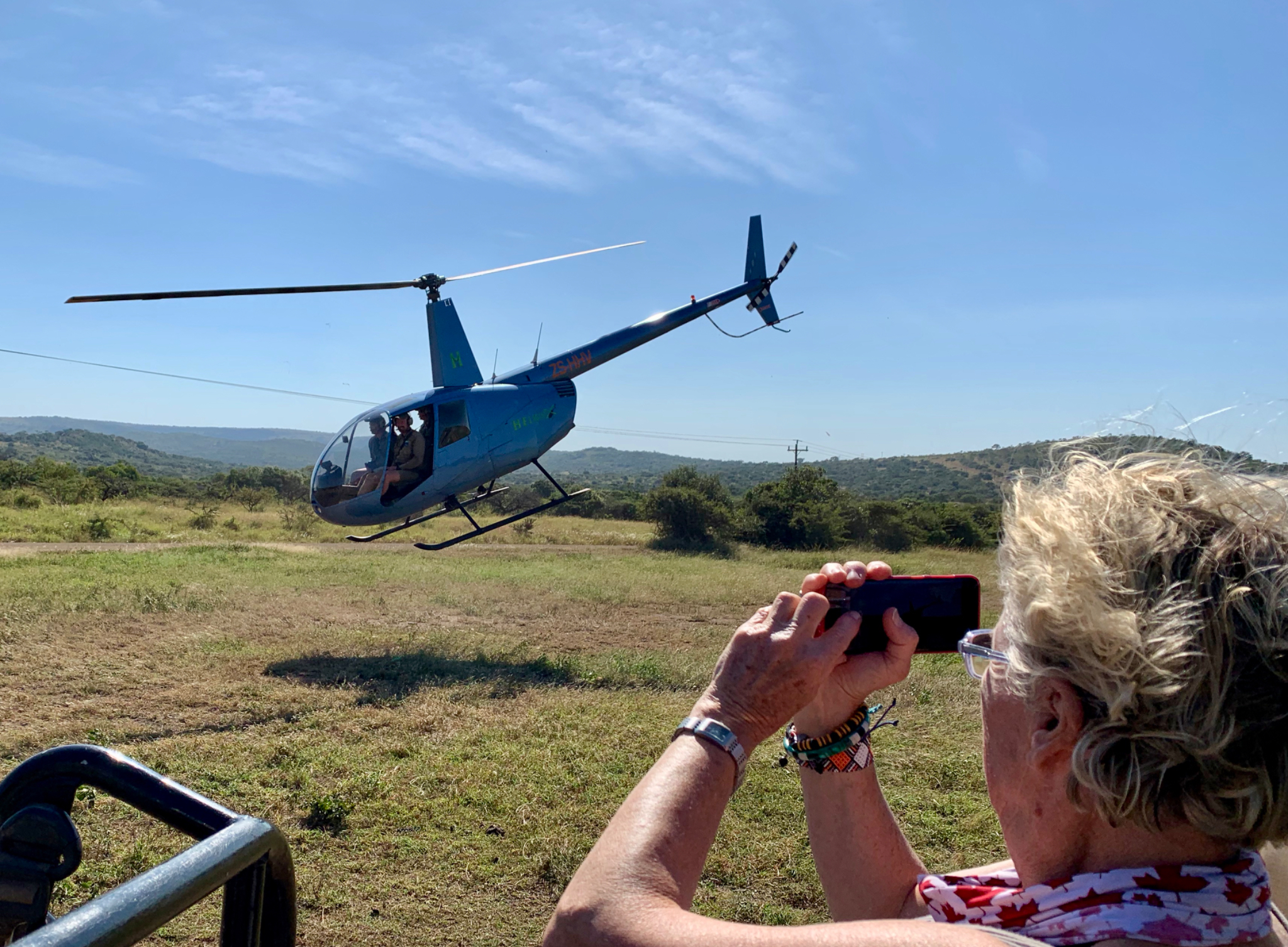
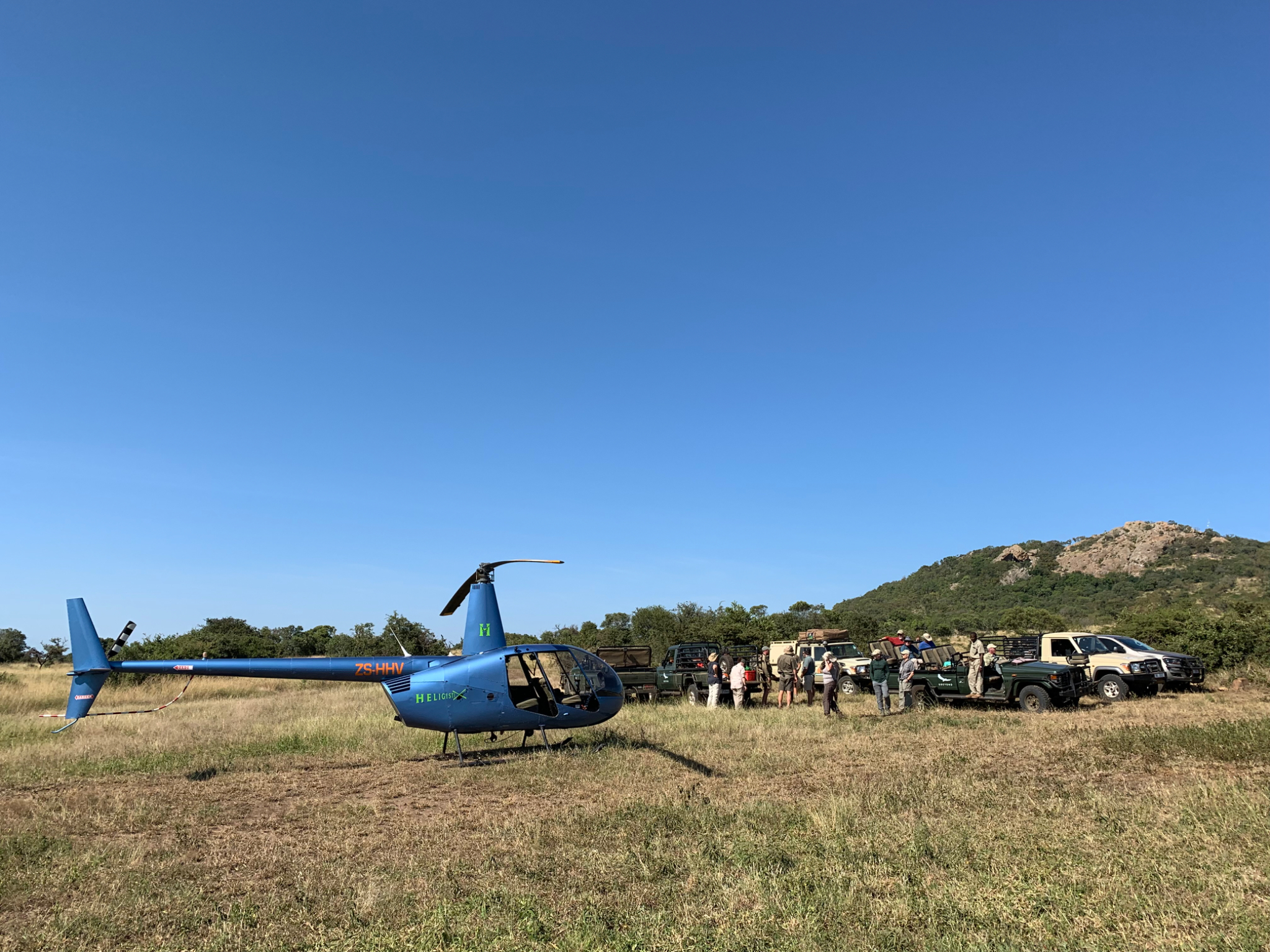
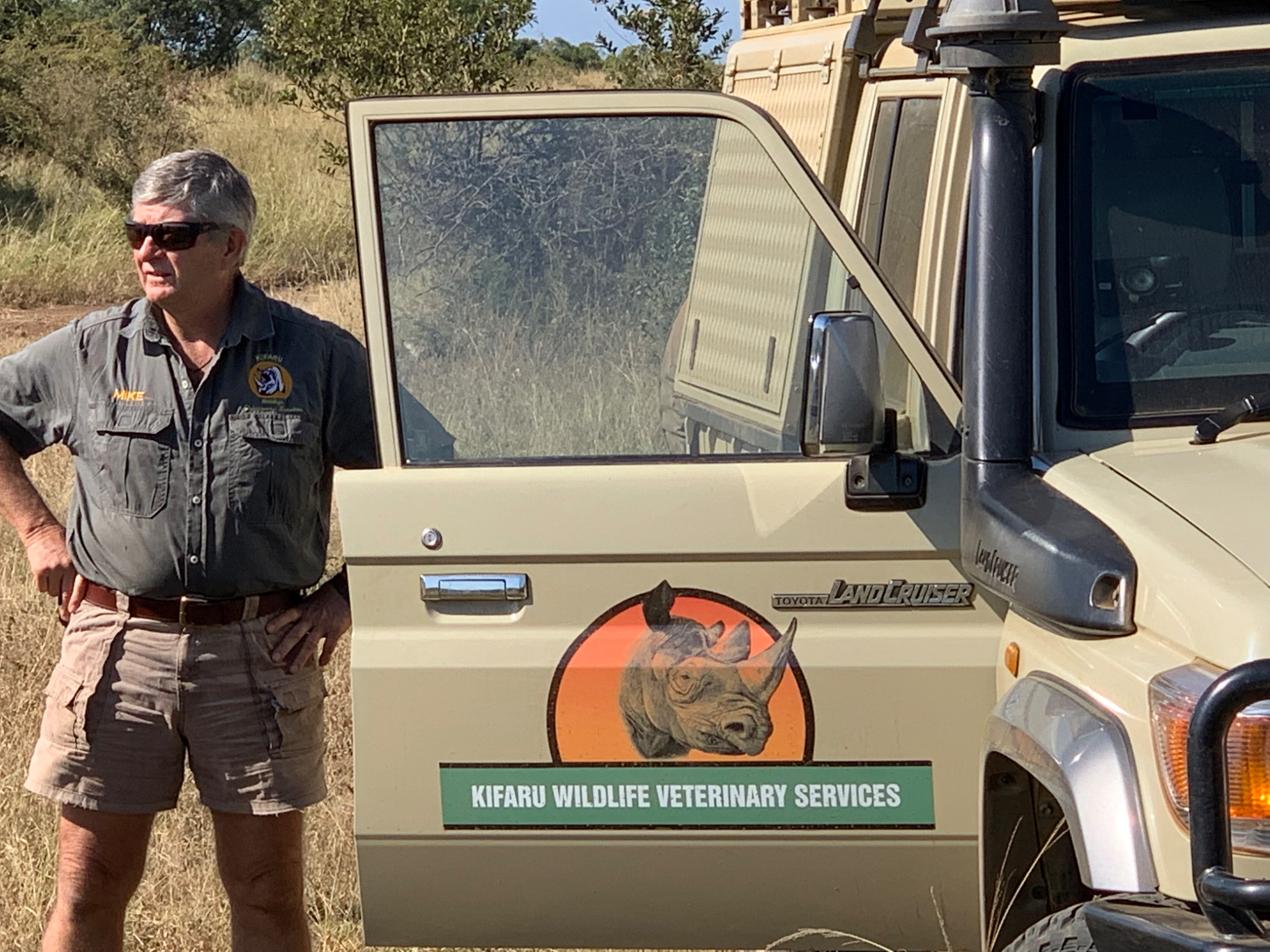
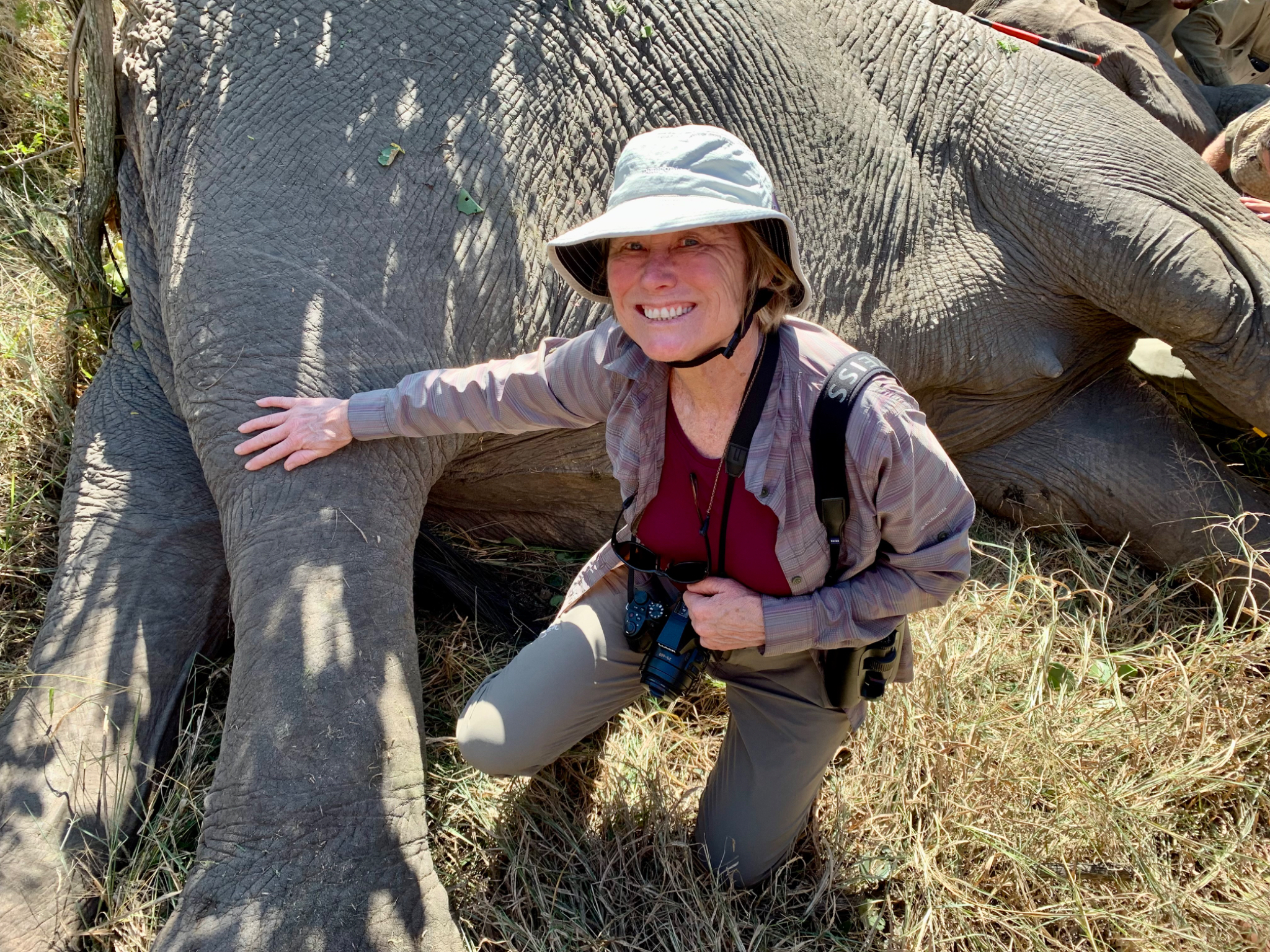
On one of our days at Phinda, while our group was out on a drive to see lions and other wildlife, we got a radio call inviting us to observe an elephant getting fitted with a tracking collar. We were all in! We met the Phinda team at a nearby area where a helicopter landed and picked up a veterinarian from the Kifaur Wildlife Veterinary Services. From the helicopter, the vet darted a female elephant with a tranquilizer that immobilized her not far from where we waited.
In the first image below, which is a short video, a group of us helped push the elephant to her side. This was necessary because she had dropped to her front knees with her chest to the ground which is a bad position for an elephant to be in as it can restrict her breathing. Who knew I would be "elephant tipping" on my safari?
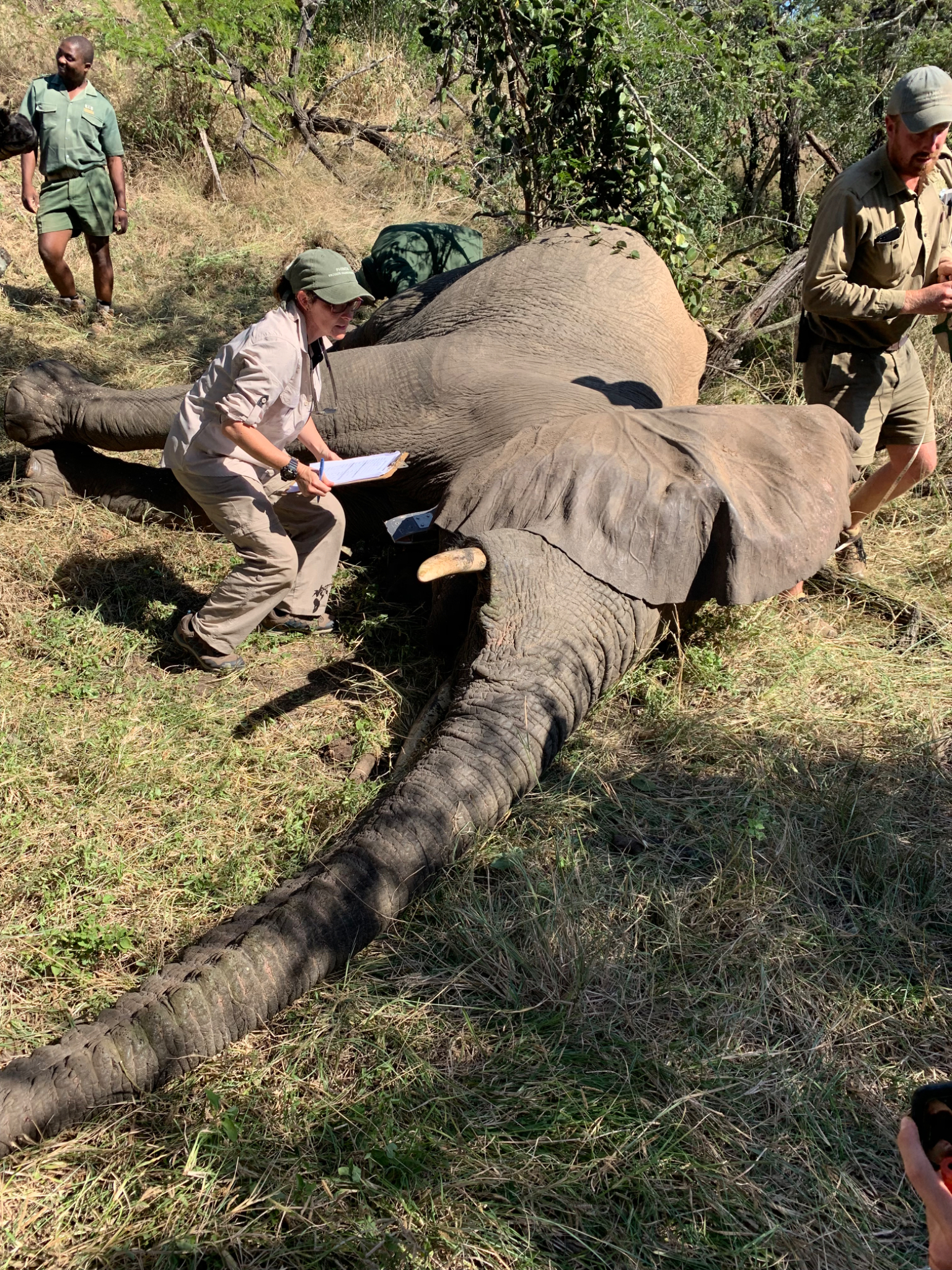
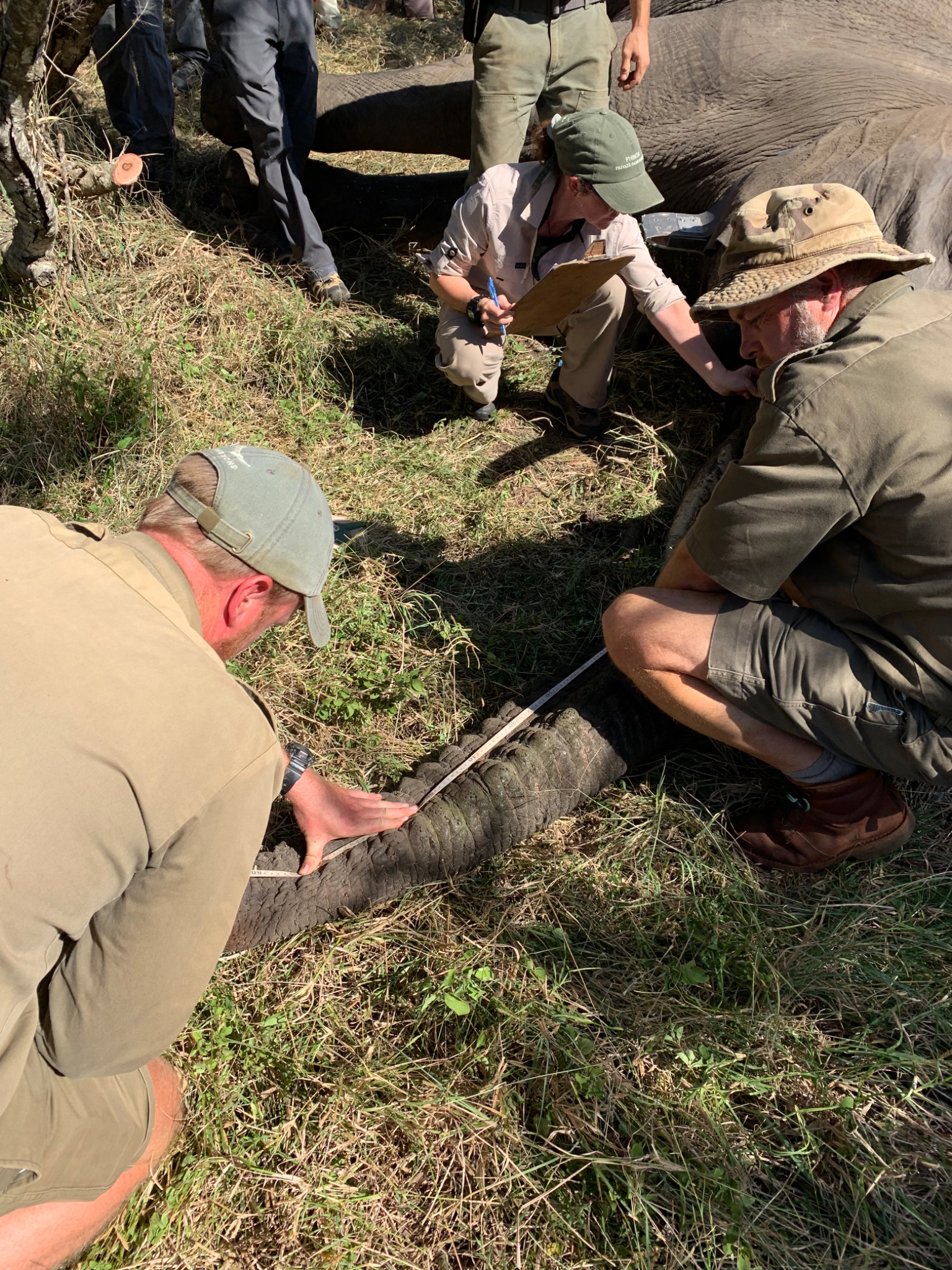
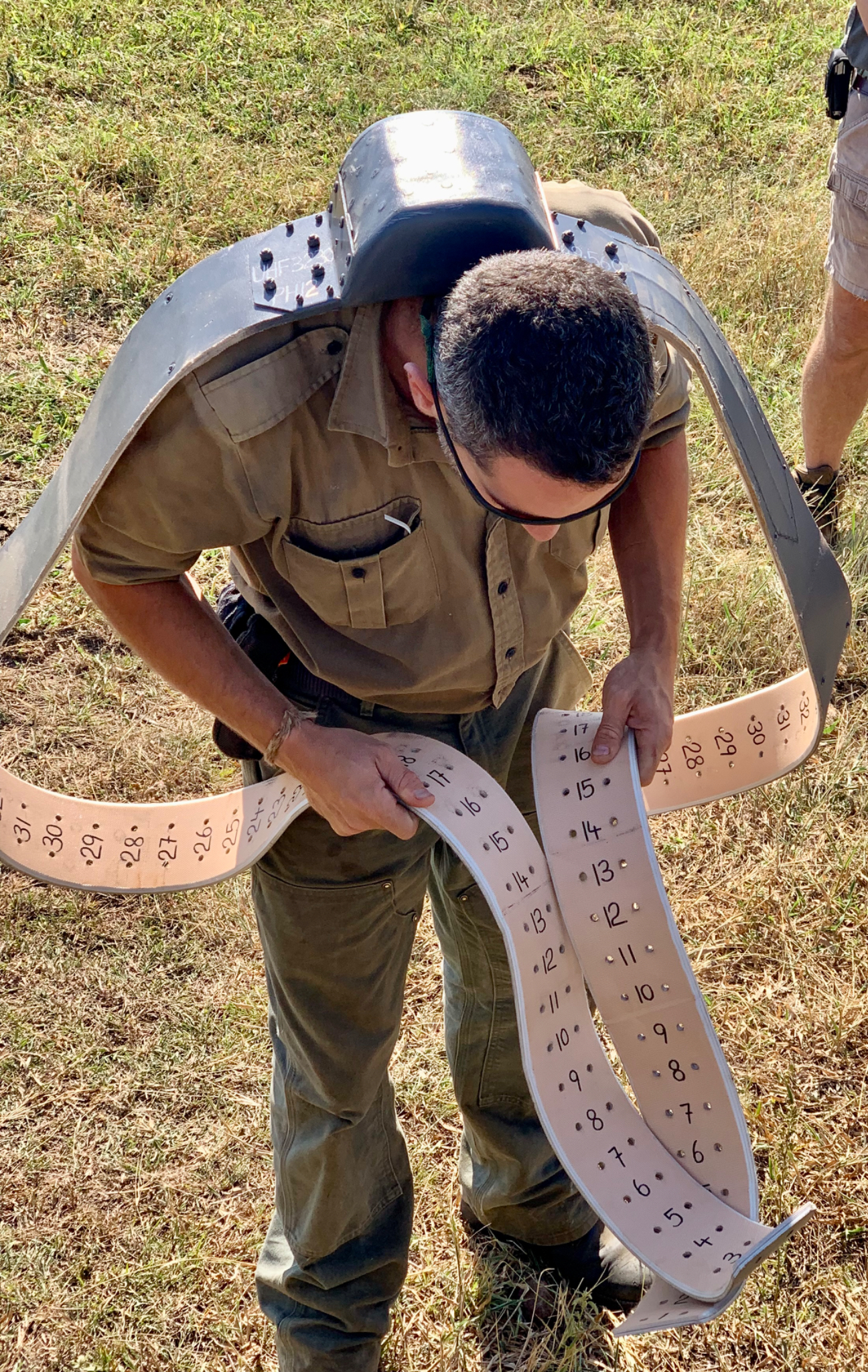
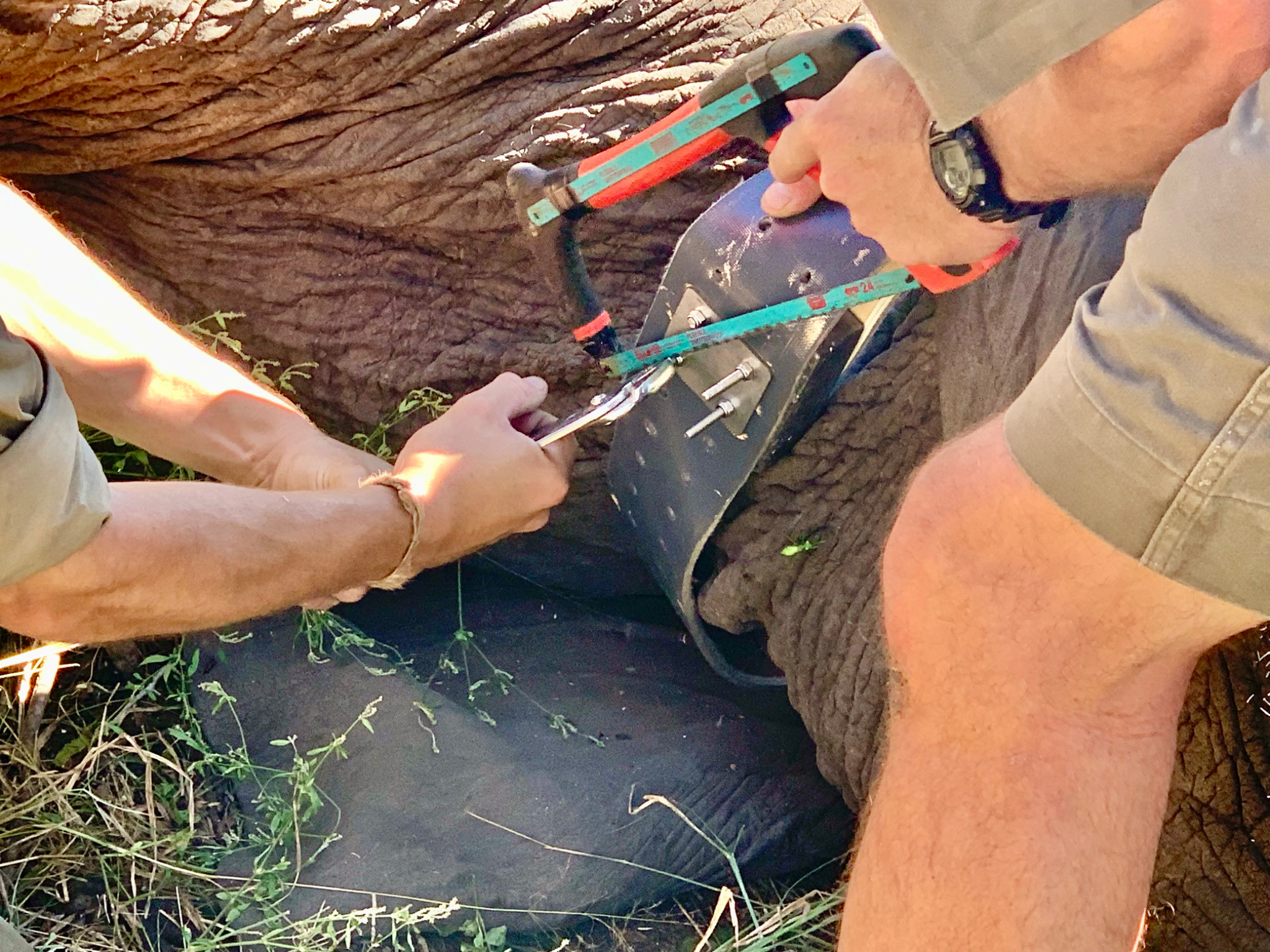
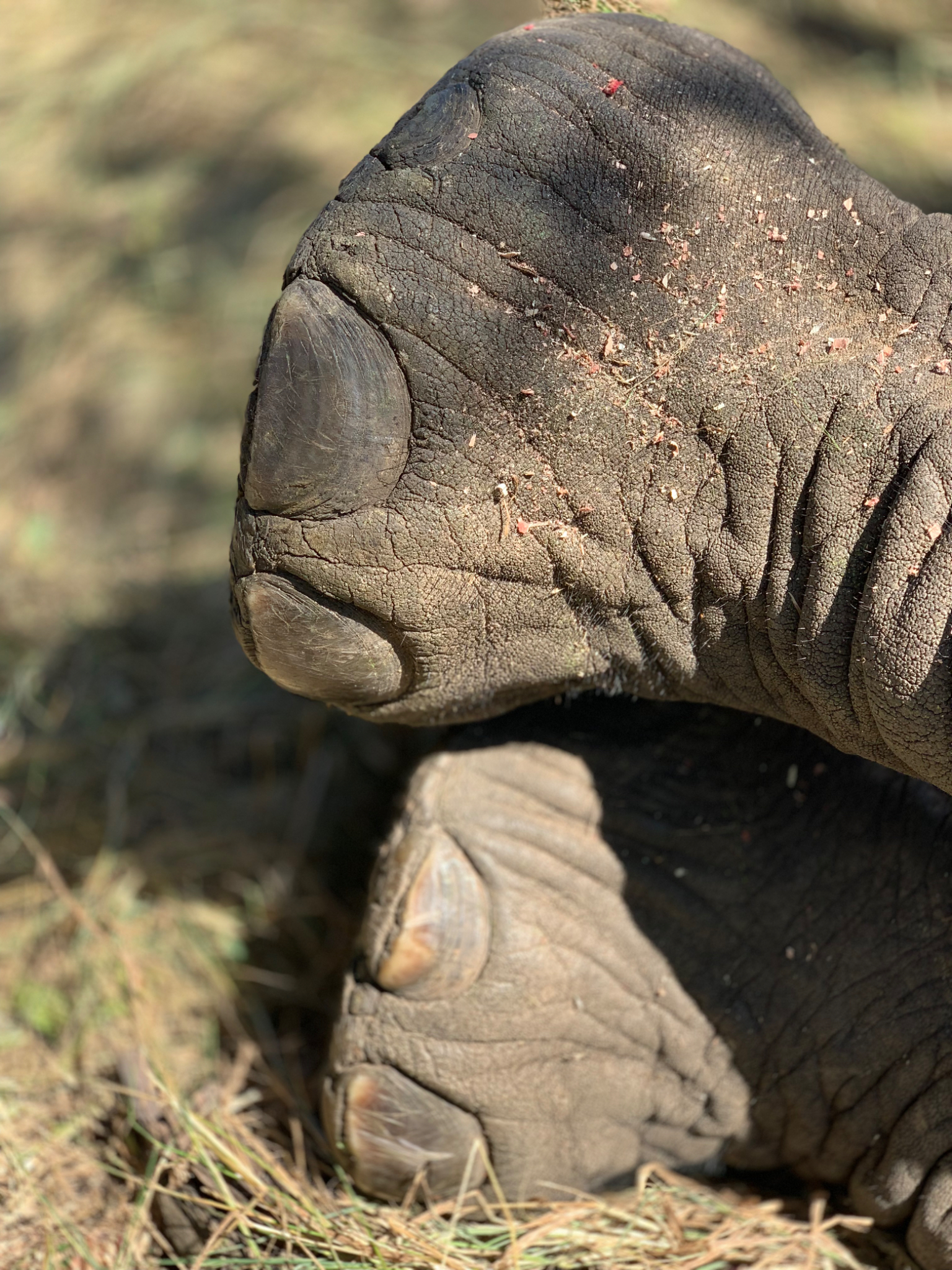
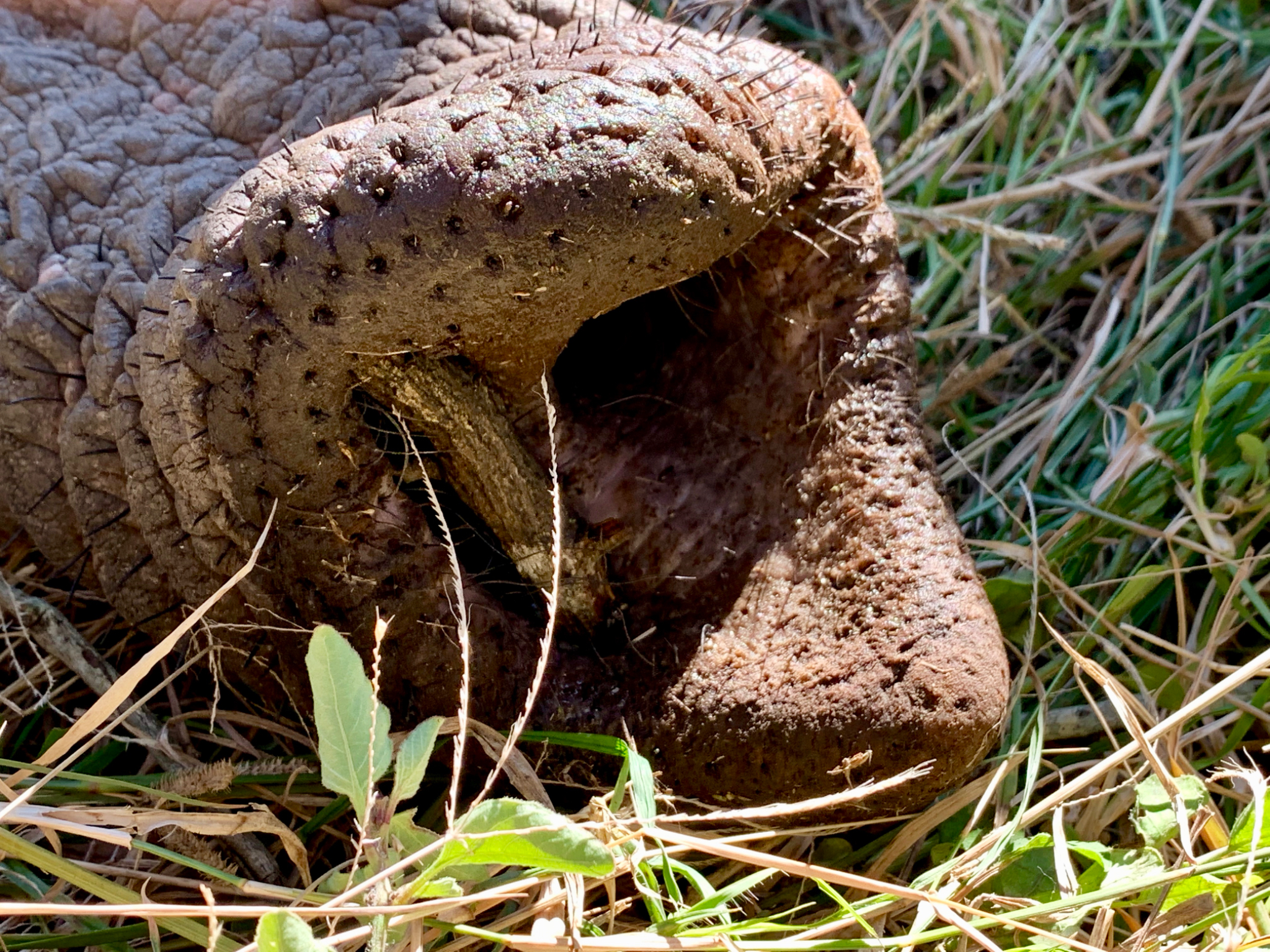
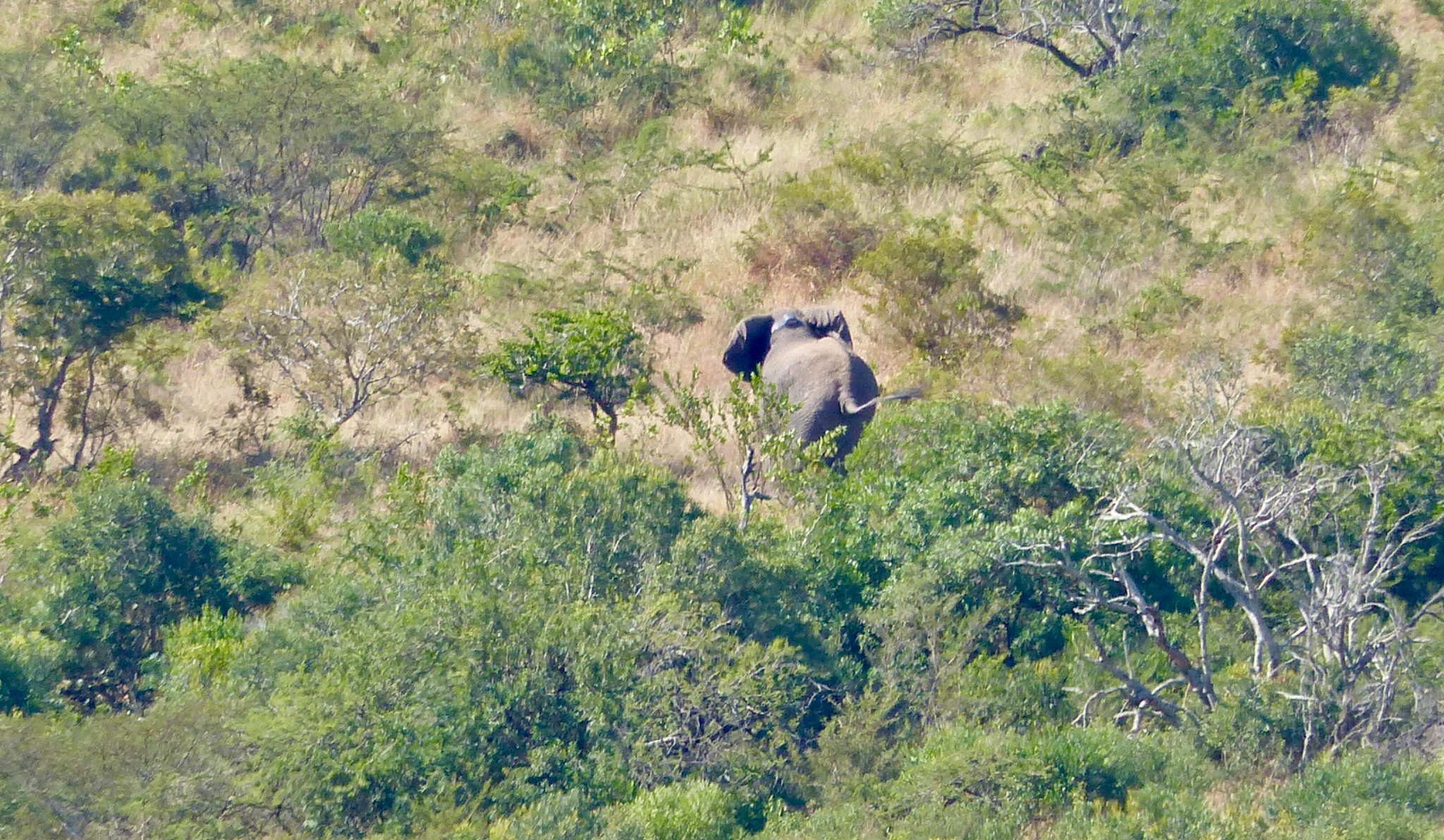
The second image, also a video, shows the breathing of the elephant through her trunk. A small stick is put in the entry of the trunk to keep it from collapsing closed. Some of the other photos show the team taking measurements and fitting and securing the track collar. The whole time the vet was monitoring the elephant and then alerted us to move a ways away when he knew the elephant was likely to awake, which she did a few minutes later. We saw the elephant get up and run off in the direction that her family members were. Later, the tracking collar indicated she had reunited with her family.
The information the Phinda researchers gather from the measurements and tracking help to inform the management and conservation of the elephant population on the reserve.