Antarctica 1990s
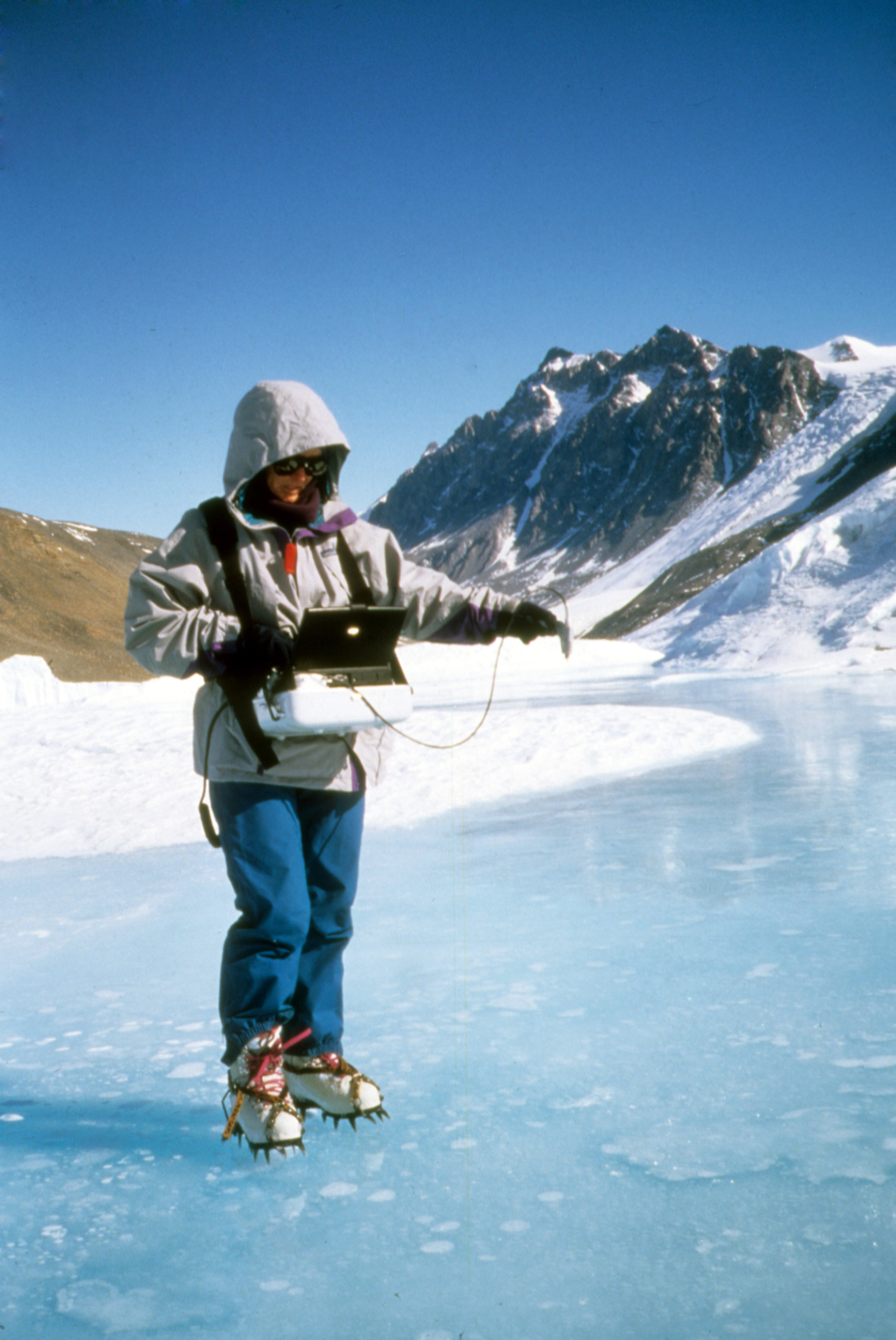
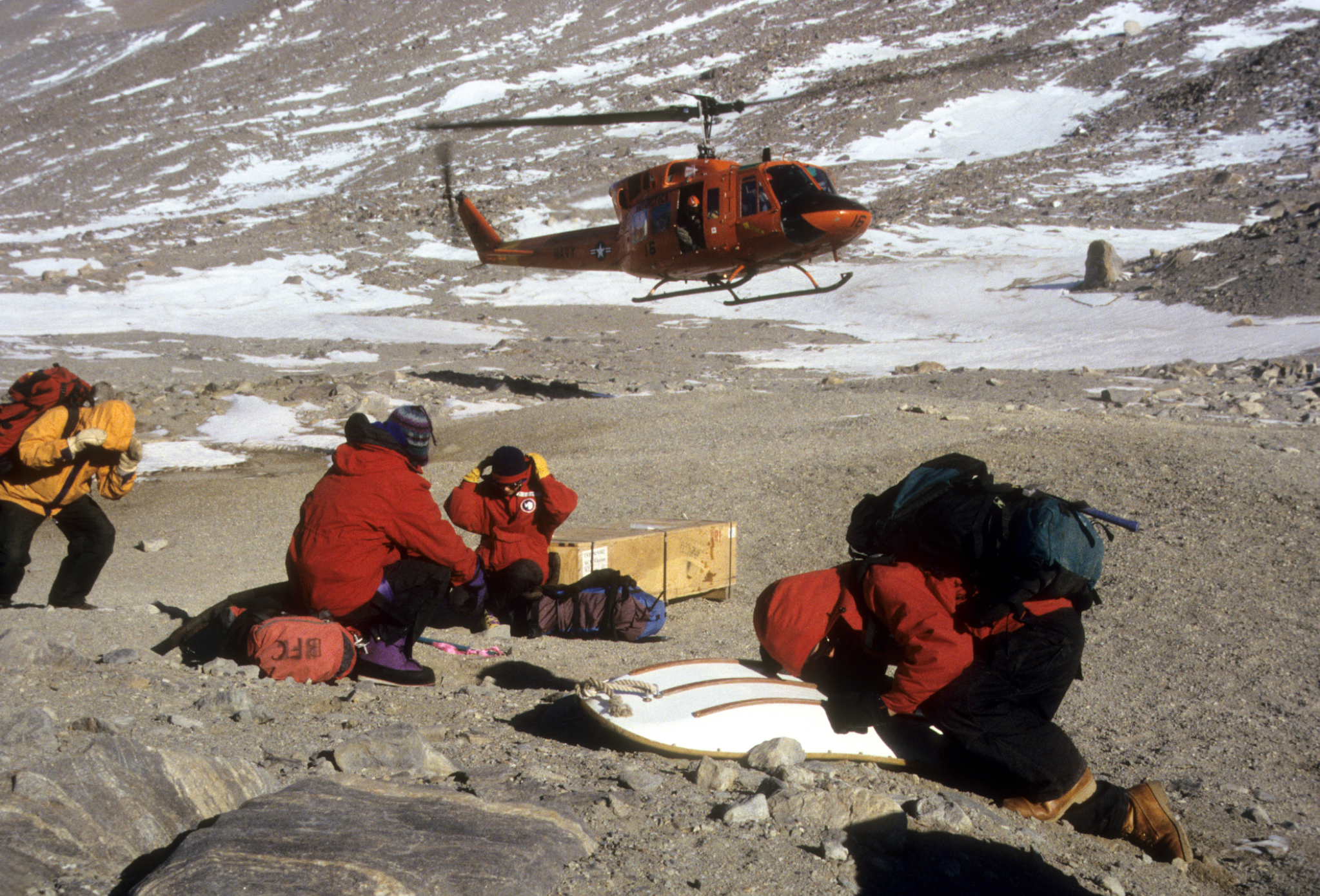
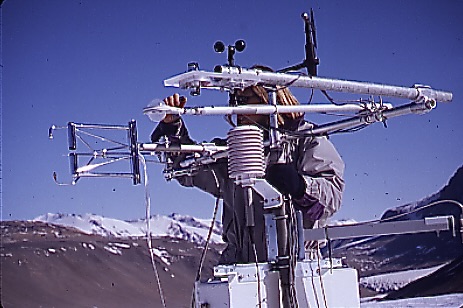
I spent three seasons in the late 1990's during the austral summer doing research for my PhD, and the LTER (see below) in the McMurdo Dry Valleys. My PhD research focused on spatially distributed energy balance modeling for climate change detection in Antarctica. Many of the photos here are of me and colleagues taking measurements for this research.
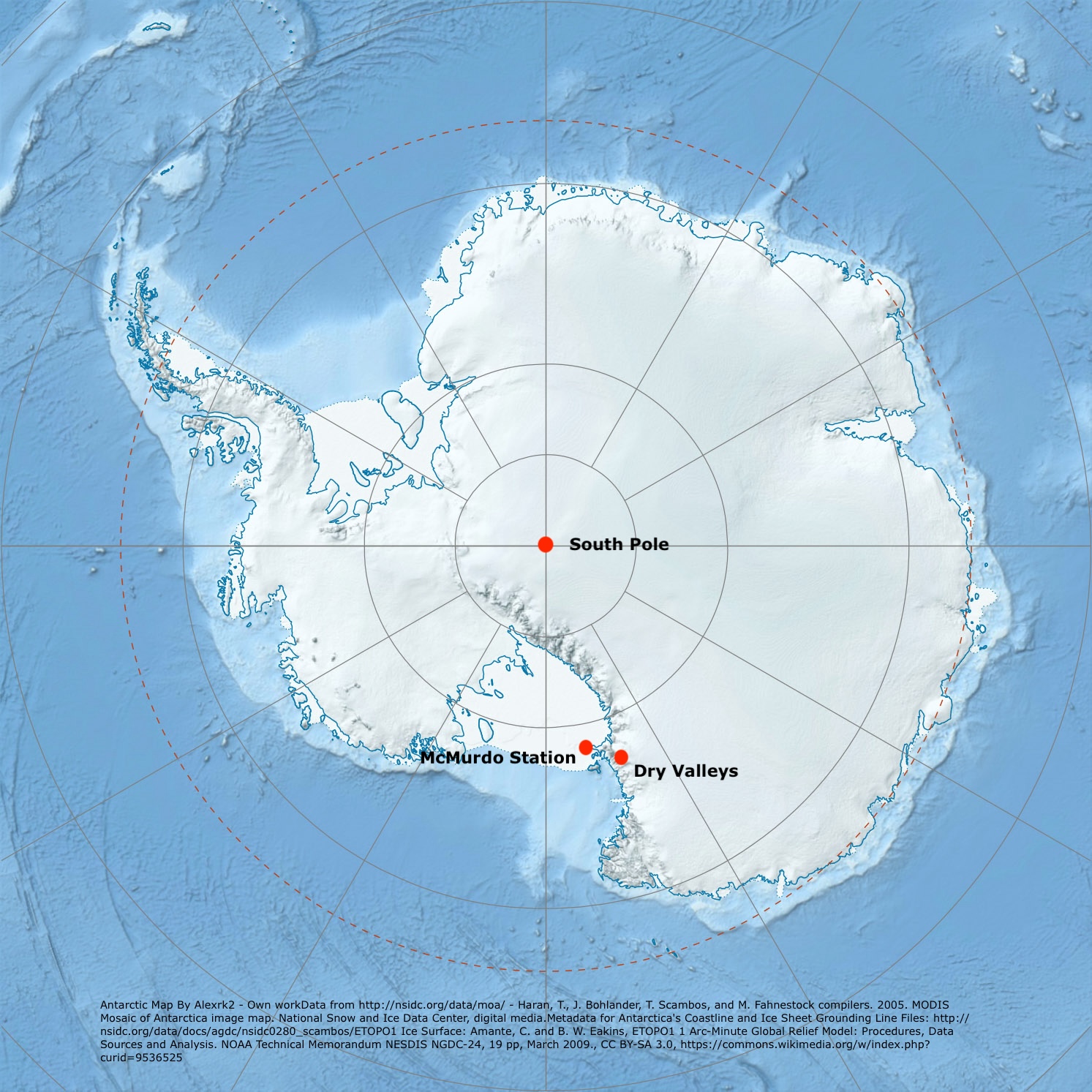
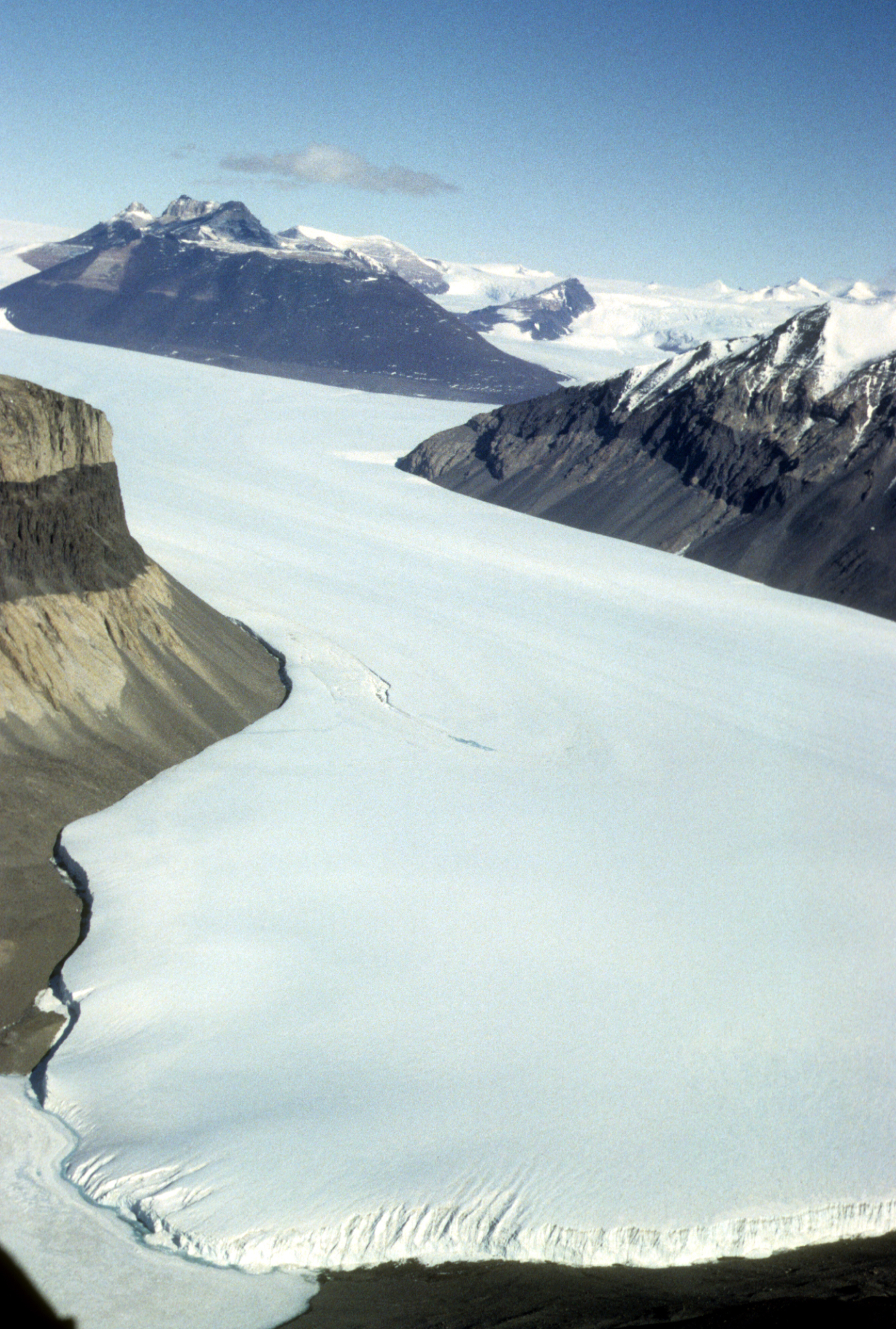
The Dry Valleys experience extremely low humidity and surrounding mountains prevent the flow of ice from nearby glaciers. The perennially ice-covered lakes, ephemeral streams and extensive areas of exposed soil within the Dry Valleys are subject to low temperatures and limited precipitation. It is one of the dryest places on earth. Life approaches its environmental limits here, and is an "end-member" in the spectrum of environments included in the NSF-funded Long Term Ecological Research (LTER) Network. The Dry Valleys, unlike most other ecosystems, are dominated by microorganisms, mosses, lichens, and relatively few groups of invertebrates; higher forms of life are virtually non-existent.
Travel to "the ice" (as we usually referred to Antarctica) involved an ~ 8 hour flight on a military plane (usually a C130 aircraft) from Christchurch, New Zealand to McMurdo Station, an American Antarctic research station on the southern tip of Ross Island. The landing strip at McMurdo was on the sea ice. Transport from McMurdo Station to our field camp in the Taylor Valley (one of the Dry Valleys) was in Huey helicoptors piloted by Navy pilots nicknamed "Ice Pirates". Helicopters were also our means of daily transport from our field camp to our research sites which often were on glaciers.
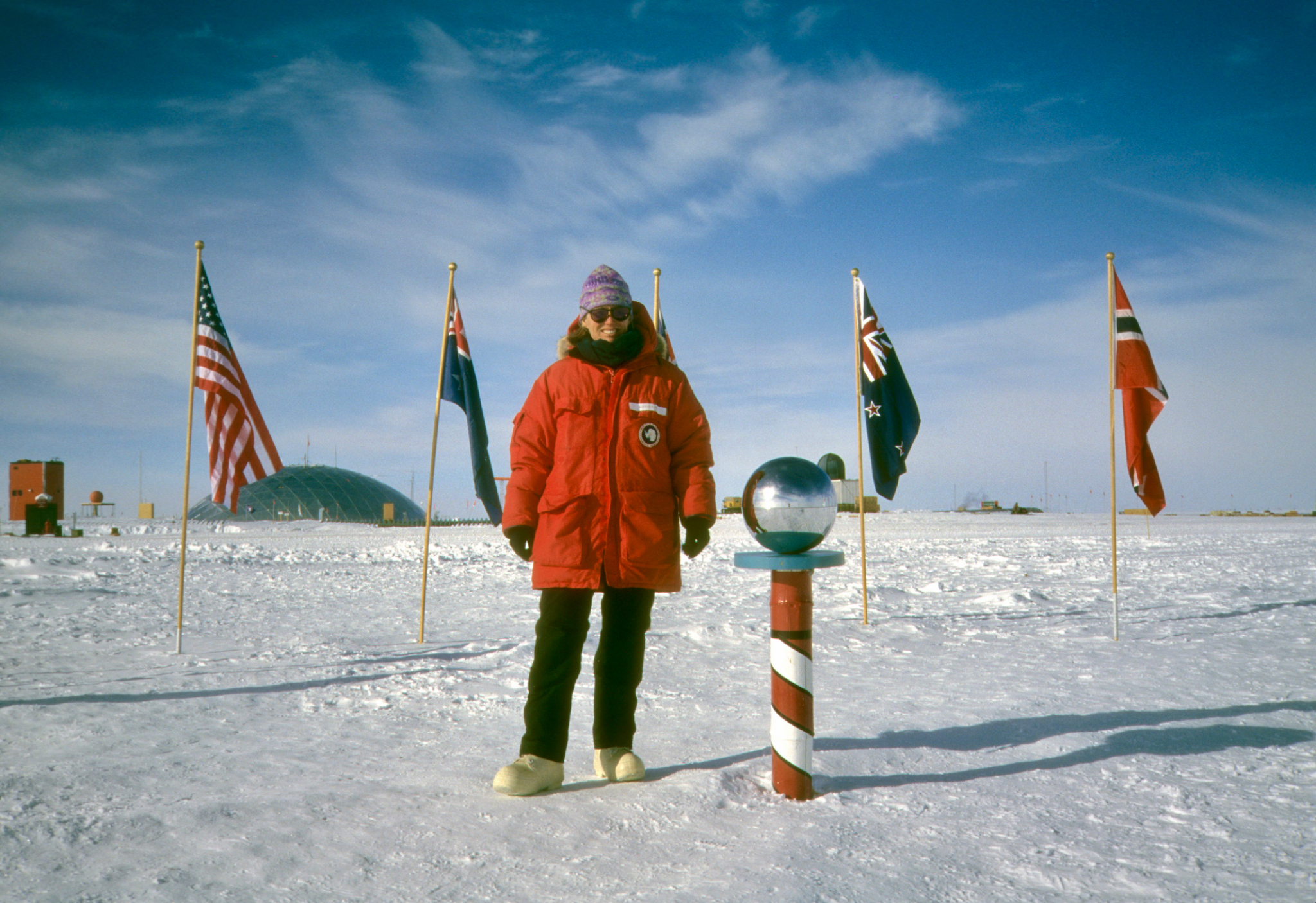
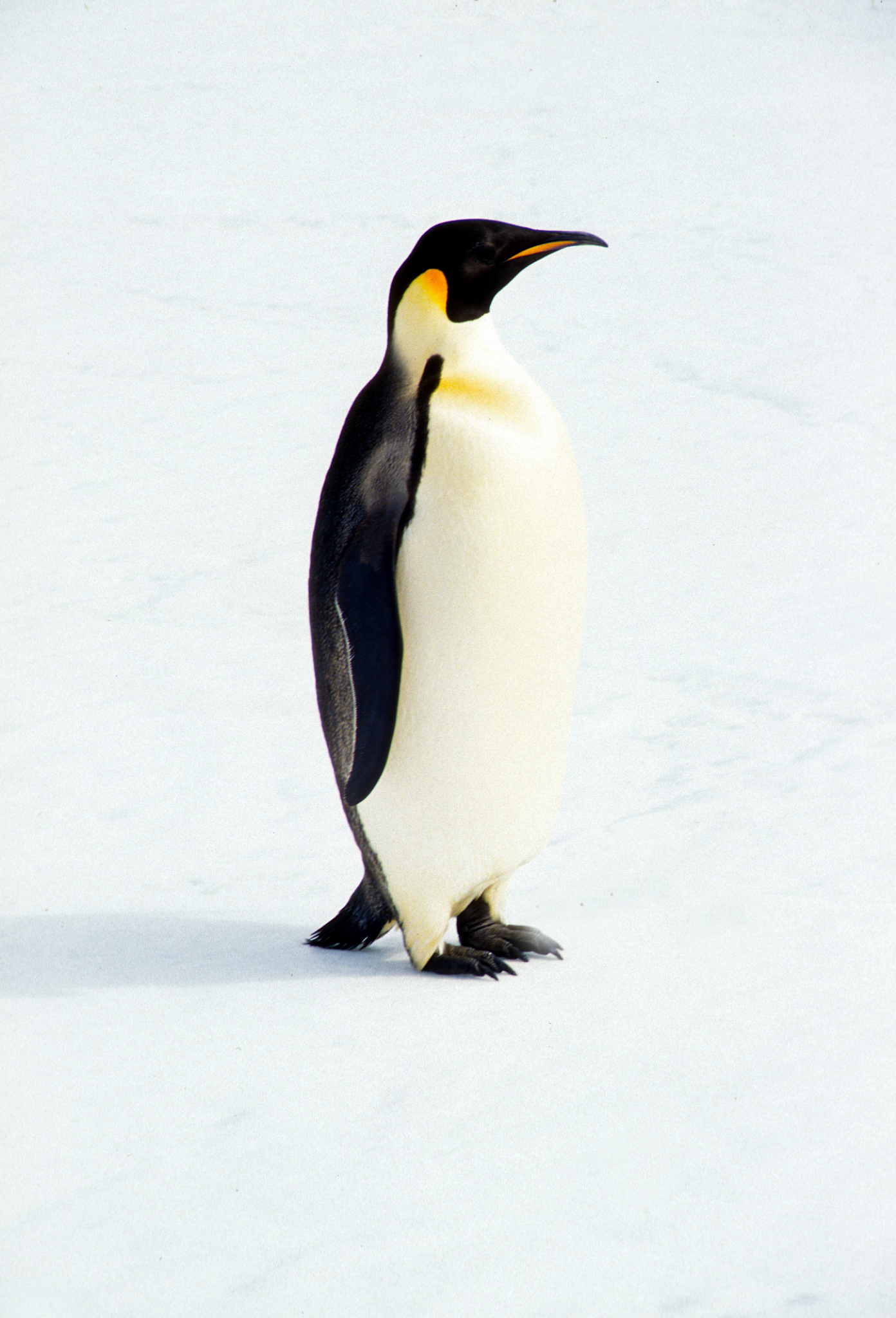
In the course of doing my research in the Dry Valleys I was invited by a colleague to visit the South Pole Station to learn about atmospheric and other studies being conducted by scientists there. I was also able to visit the sea ice edge near McMurdo Station to observe Emporer and Adelie Penguins.
The photos are best viewed on a laptop or desktop, but can also be viewed on mobile devices. Click on a photo to see it enlarged as well as a brief description.